
Why Solar Street Light Wattage Can Be Misleading
When choosing a solar street light, many buyers start with one simple question:
“How many watts is the light?”
Wattage is an important specification, but it does not tell the whole story.
After working on solar lighting projects for different applications,
we have found that comparing solar street lights only by their advertised wattage can sometimes lead to the wrong product selection.
A “100W solar street light” does not necessarily deliver the same lighting performance as another 100W solar street light.
The overall performance depends on the complete solar lighting system,
including the solar panel, battery, LED light source, controller, installation height and operating conditions.
Why Doesn’t Wattage Tell the Whole Story?
For a solar street light, several components work together to determine the actual lighting performance.
1. Solar Panel Power
The solar panel determines how much energy the system can collect during the day.
A larger or more efficient solar panel can provide greater charging capacity,
which is particularly important in areas with limited sunlight or during periods of cloudy weather.
For example, a system with a high LED output but insufficient solar panel capacity may not be able to fully recharge its battery every day.
2. Battery Capacity
The battery stores the energy collected during the day and supplies power to the LED light at night.
Battery capacity directly affects:
・Lighting duration
・Nighttime brightness
・Rainy-day autonomy
・System reliability
For solar street lighting projects, battery capacity should therefore be selected according to the required lighting schedule and local weather conditions.
3. LED Output
The LED power is directly related to the energy consumed by the lighting system, but higher wattage does not automatically mean better illumination.
Actual lighting performance can also depend on:
・LED efficiency
・Optical design
・Light distribution
・Installation height
・Road width
・Required illuminance
This is why it is important to evaluate the complete lighting system rather than looking at wattage alone.
What Should You Consider When Choosing a Solar Street Light ?
Instead of asking only:
“How many watts is the light?”
it is better to consider the actual project requirements.
Important factors include:
Pole Height
The mounting height affects the illumination area and light distribution.
Required Lighting Hours
How many hours does the light need to operate every night?
For example:
・8 hours
・10 hours
・12 hours
・14 hours
The required operating time directly affects battery and solar panel sizing.
Local Sunlight Conditions
Solar radiation varies significantly between different regions.
A system designed for an area with strong sunlight may require a different configuration when installed in a region with frequent cloudy or rainy weather.
Rainy-Day Autonomy
For projects where several consecutive days of limited sunlight are possible, the battery capacity should be designed to provide sufficient backup power.
Example: Solar Street Light for a 4 m Road
Let’s look at a simple example.
For a typical road application with a 4-meter mounting height, the lighting system may use:
・LED power: 30W
・Lighting time: 12 hours per night
・First 6 hours: 100% brightness
・Next 6 hours: 20% brightness
The actual daily energy consumption would be:
30W × 6h + 6W × 6h = 216Wh/day
This means the system does not necessarily consume:
30W × 12h = 360Wh/day
because the lighting output is reduced during the second half of the night.
How Do You Determine the Right Battery ?
Based on the above example, the daily energy consumption is approximately:
216Wh/day
For a 12.8V LiFePO4 battery, a practical configuration could be approximately:
12.8V 20Ah–30Ah LiFePO4
The exact battery capacity, however, should be determined according to factors such as:
・Required autonomy
・Battery depth of discharge
・Local temperature
・Battery efficiency
・Expected service life
Therefore, battery selection should always be based on the actual project conditions rather than LED wattage alone.
How Do You Determine the Solar Panel Size ?
The solar panel also needs to provide enough energy to recharge the battery during the available daylight hours.
For the example above, a possible configuration could be:
50W–60W solar panel
However, the final solar panel size should be calculated according to:
・Daily energy consumption
・Peak sun hours
・System efficiency
・Local weather conditions
・Required rainy-day autonomy
A project in a high-sunlight region may require a different configuration from one installed in a cloudy or rainy climate.
Wattage Is Only One Part of the System
When comparing solar street lights, it is better to evaluate the complete system configuration instead of comparing LED wattage alone.
A reliable solar street lighting system should be designed according to:
Solar Panel → Charging Capacity
Battery → Energy Storage
LED → Lighting Performance
Controller → System Management
Installation → Actual Lighting Coverage
This approach helps ensure that the selected solar street light is suitable for the actual project requirements.
Choose the Solar Street Light Based on the Project
At WYNTEK Lighting, we believe solar street lights should be designed around real project conditions—not just the wattage printed on a product label.
Before selecting a solar street light, consider:
・Pole height
・Road width
・Required lighting hours
・Local sunlight conditions
・Rainy-day autonomy
・Required lighting performance
・Battery capacity
・Solar panel capacity
A properly designed system can provide more reliable lighting performance while making better use of available solar energy.
Looking for the right solar street light for your project? Contact WYNTEK Lighting for product specifications, system configuration and OEM/ODM solutions.
Solar Street Light Project Recommendation
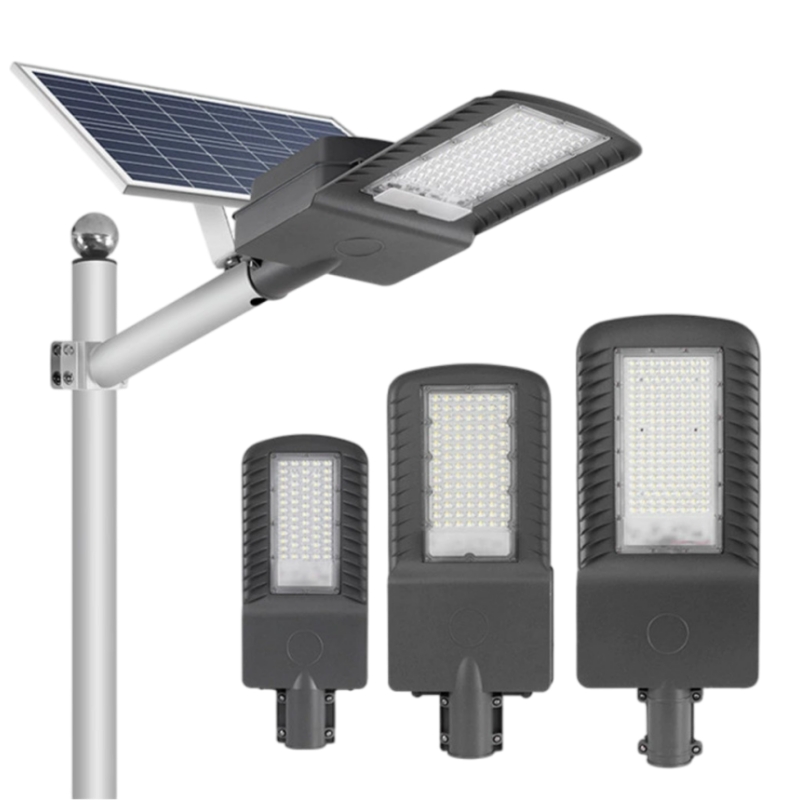
64-320WH 6V 18V/25-120W Solar Street Light
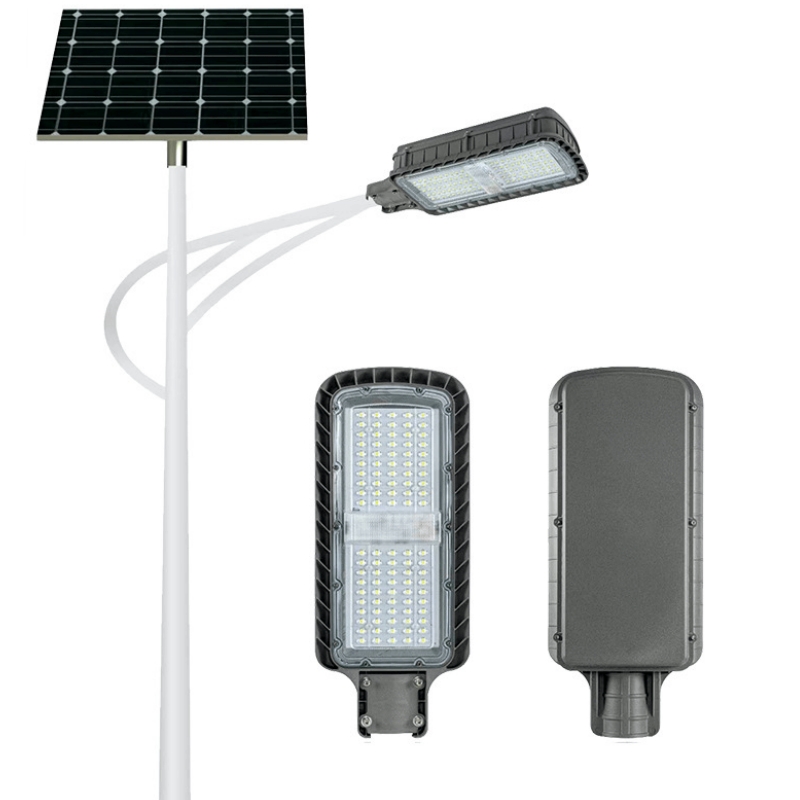
256-1152WH 18V/60-150W Solar Street Light

136-384WH 6V 18V/50-120W Solar Street Light
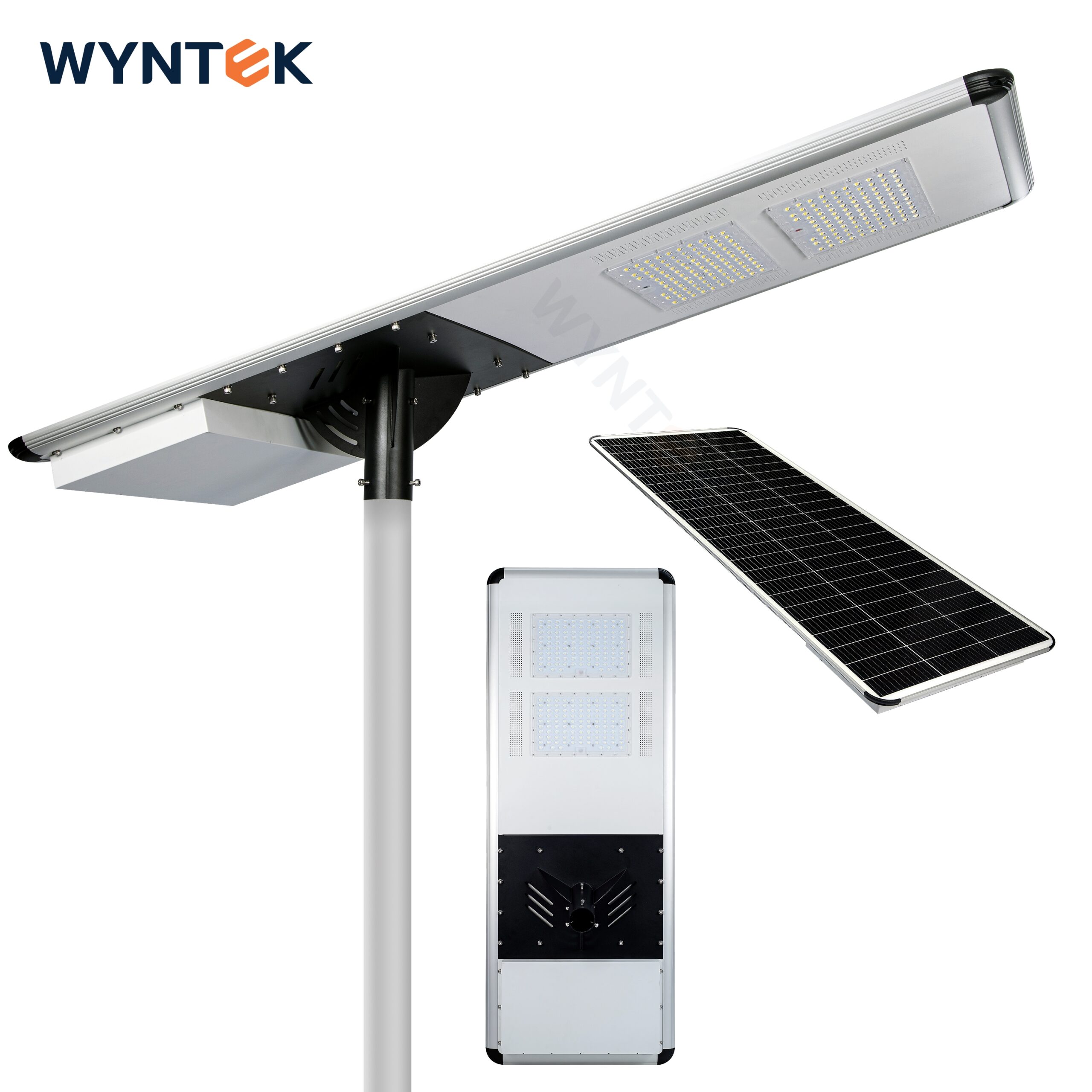
768-1920WH 18V 36V/150-300W Solar Street Light